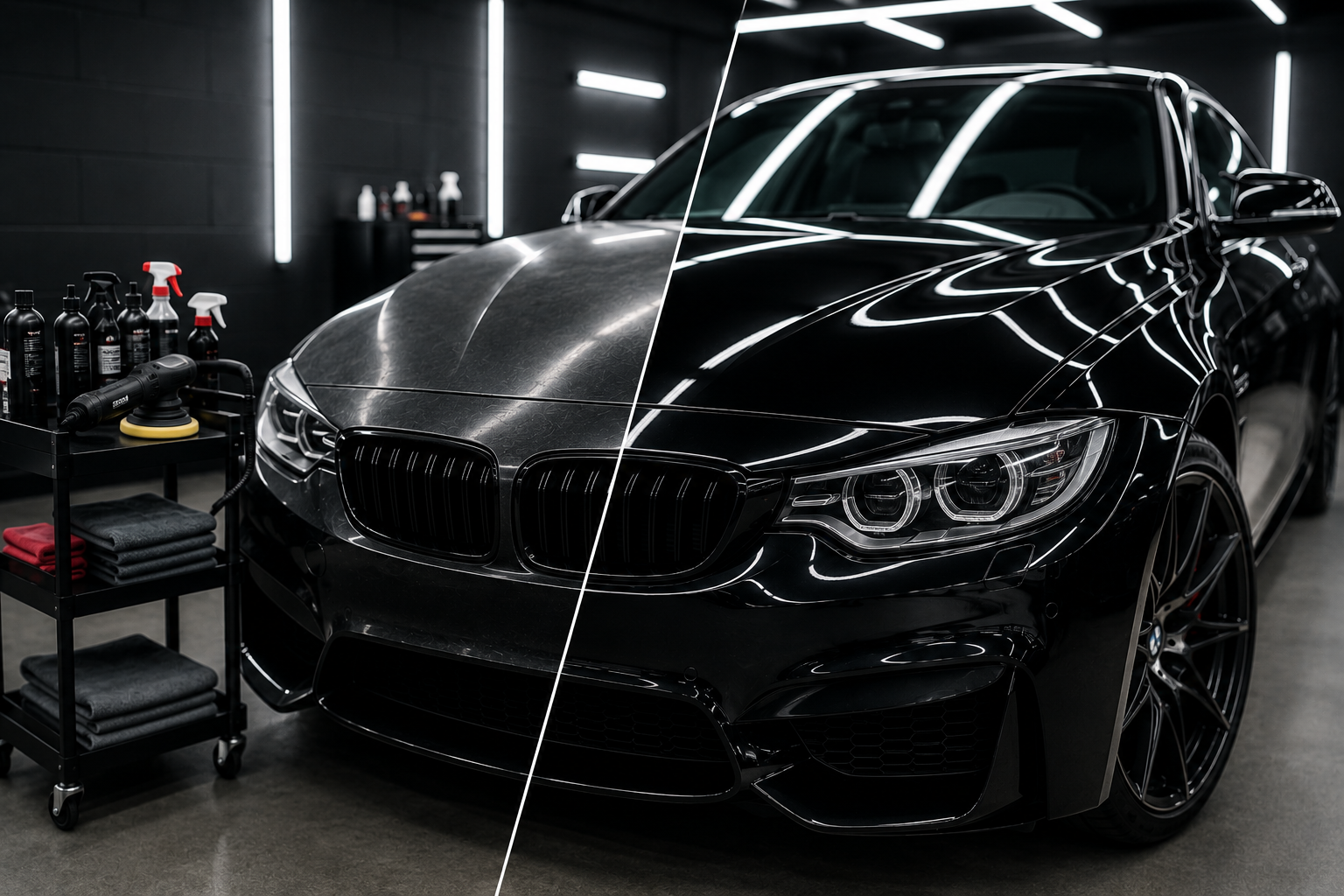
Paint Protection Film (PPF) is one of the most effective ways to protect a car’s original paint from scratches, stone chips, road debris, and everyday environmental damage.
But many car owners eventually ask an important question: Why does PPF turn yellow?
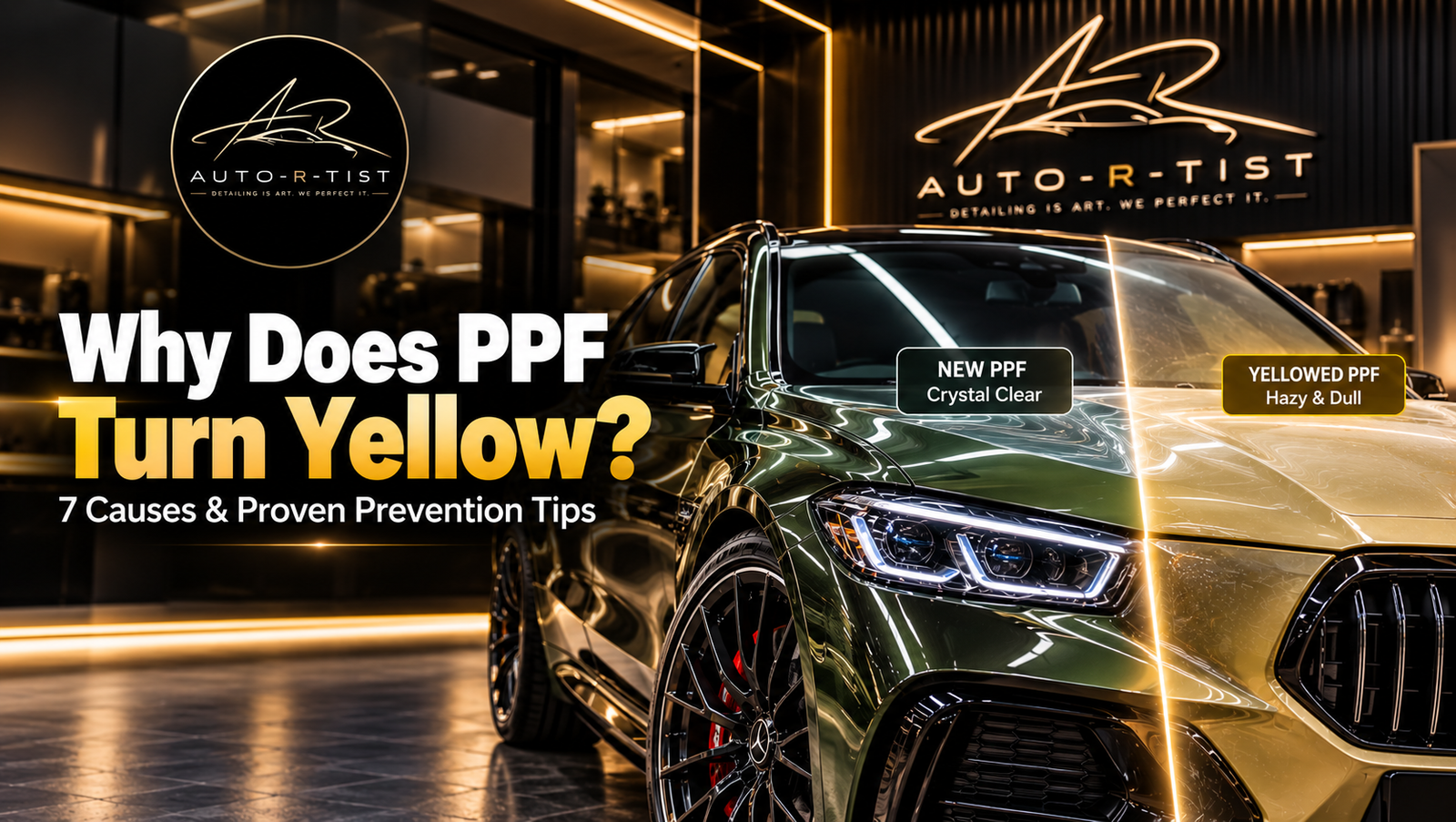
Although modern PPF is designed to maintain clarity and resist environmental damage, yellowing can still occur under certain conditions. Film quality, UV exposure, heat, maintenance, installation, and age can all affect the appearance of PPF.
In this guide, Auto-R-Tist explains the seven common causes of PPF yellowing and the practical steps you can take to prevent it.
What Is PPF Yellowing?
PPF yellowing is a visible change in the colour and clarity of Paint Protection Film. Instead of remaining clear, the film may gradually develop a yellow, amber, or slightly hazy appearance.
The rate of yellowing can vary depending on the quality of the film and the environment in which the vehicle is used.
Several factors can contribute to PPF yellowing, including:
- Prolonged UV exposure
- Low-quality film
- Excessive heat
- Incorrect cleaning products
- Environmental contamination
- Poor installation
- Natural ageing
Understanding these causes can help you choose and maintain PPF more effectively.
Why Does PPF Turn Yellow?
There is usually no single reason for PPF yellowing. In many cases, several environmental and material-related factors contribute to the change.
Let’s look at the most common causes.
1. Prolonged UV Exposure
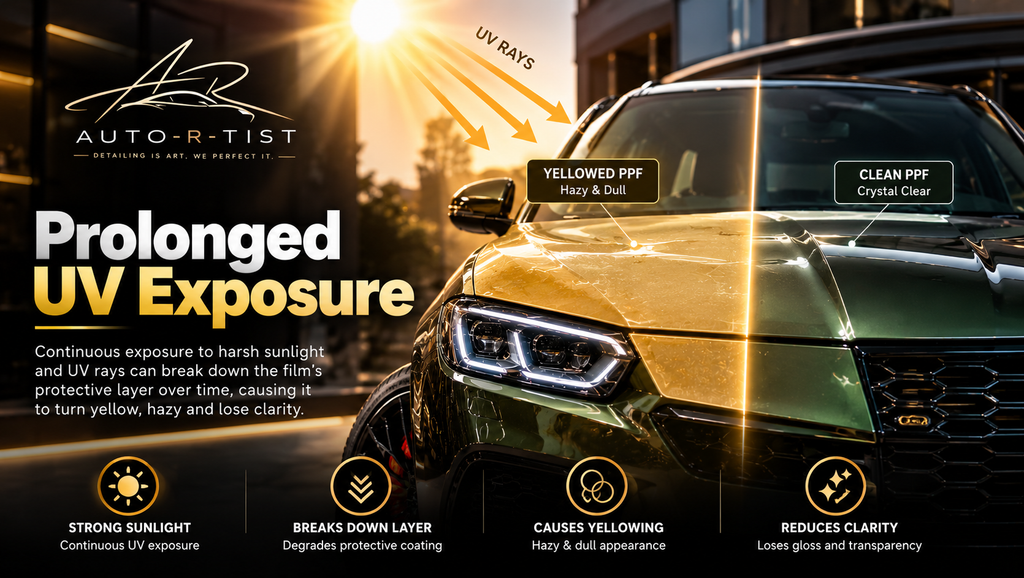
Continuous exposure to sunlight is one of the major factors that can affect PPF over time.
Ultraviolet radiation can gradually affect the film’s protective layers and materials. Vehicles that spend most of their time outdoors may therefore experience more environmental exposure.
High-quality PPF is designed with UV resistance. However, long-term exposure to strong sunlight can still contribute to natural ageing.
Parking your car in a garage or shaded area whenever possible can help reduce unnecessary UV exposure.
2. Low-Quality PPF Material
Film quality plays an important role in the long-term appearance of PPF.
Lower-quality films may not offer the same level of optical clarity, UV resistance, and durability as premium products. As a result, they may show signs of ageing or discolouration sooner.
When choosing PPF for your car, do not compare products based only on price.
Consider factors such as:
- Film construction
- UV resistance
- Optical clarity
- Manufacturer reputation
- Warranty
- Installation quality
A good-quality film can provide better long-term protection and appearance.
3. Excessive Heat
Your car can experience significant temperature changes throughout the day.
Direct sunlight can heat the vehicle’s exterior considerably. Repeated cycles of heating and cooling may contribute to the natural ageing of the film.
Heat combined with UV exposure can place additional stress on the film material.
This is another reason why covered parking can be beneficial, particularly in hot climates.
4. Incorrect Cleaning Products
Proper maintenance is essential for keeping PPF clear and glossy.
Some strong chemicals, abrasive cleaners, solvents, and unsuitable detailing products may affect the film’s surface.
Using the wrong products repeatedly can potentially result in:
- Reduced gloss
- Surface damage
- Loss of clarity
- Premature ageing
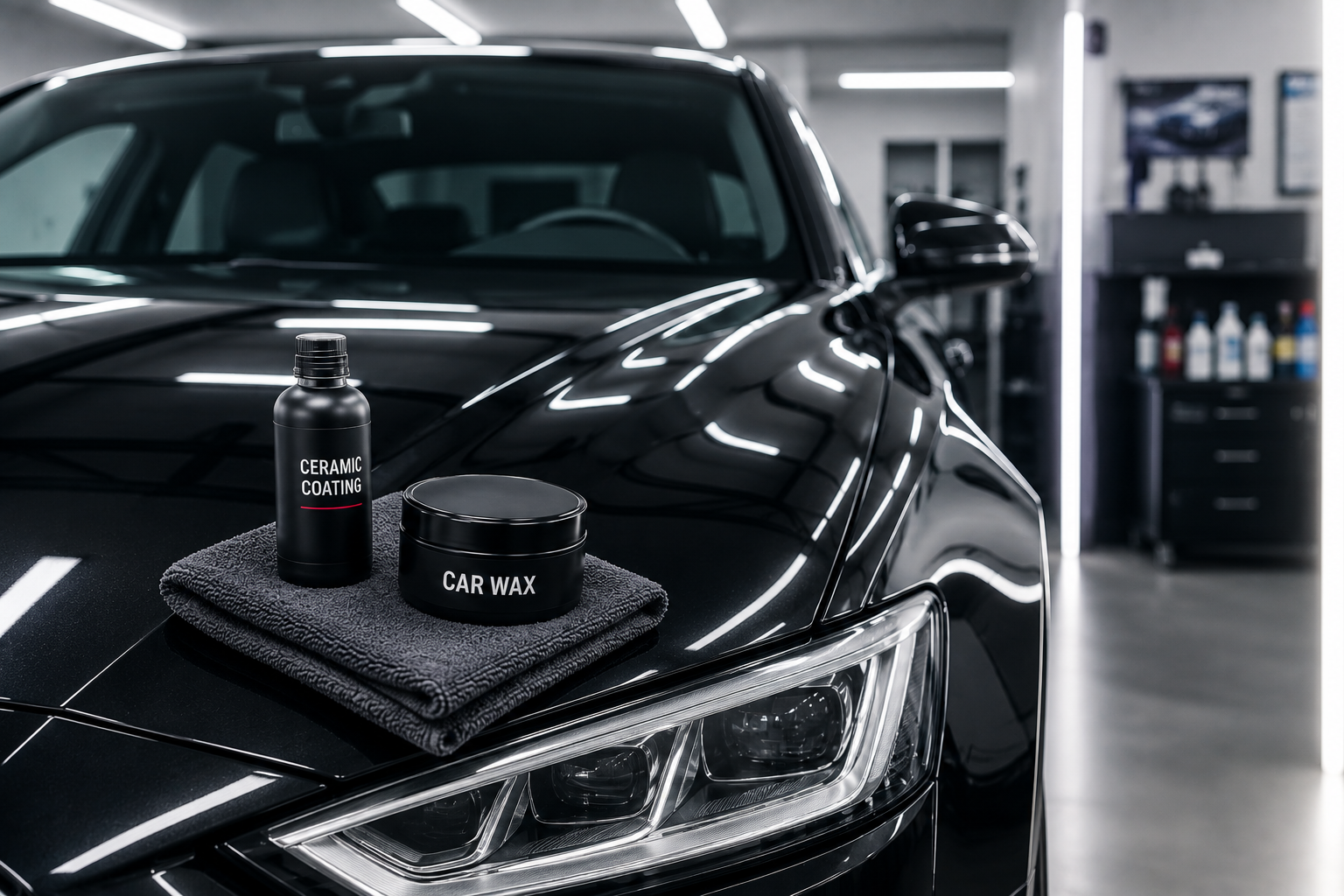
Always use PPF-safe car care products and follow the maintenance recommendations provided by the film manufacturer.
5. Environmental Contamination
on the film for long periods, they can affect the surface and make it appear dull or discoloured.
Your car is constantly exposed to contaminants such as:
- Road grime
- Dust
- Pollution
- Bird droppings
- Tree sap
- Insects
- Hard-water deposits
If these contaminants remain
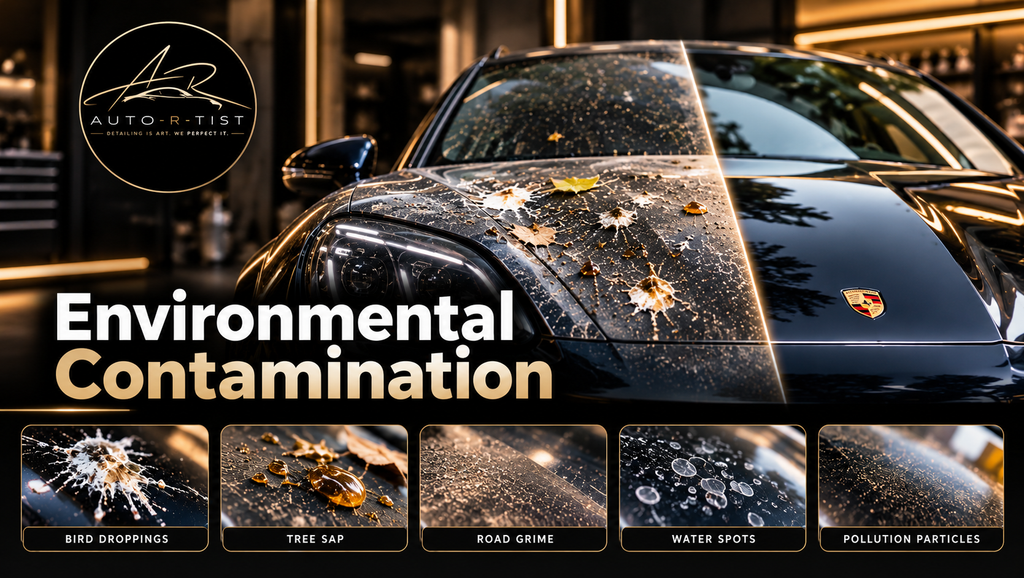
Regular washing and prompt removal of bird droppings, tree sap, and other contaminants can help maintain the appearance of your PPF.
6. Poor Installation Practices
PPF installation is more than simply placing a film over the paint.
Proper surface preparation, controlled application, clean working conditions, and correct edge finishing all contribute to the final result.
Poor installation can lead to:
- Contamination under the film
- Uneven edges
- Adhesive-related appearance issues
- Poor overall finish
Choosing an experienced professional installer can help reduce these problems.
At Auto-R-Tist, the PPF installation process focuses on careful preparation, precise application, and a clean finish.
7. Natural Ageing of the Film
PPF does not last forever.
Over the years, the film is exposed to sunlight, heat, road conditions, washing, chemicals, and other environmental factors. Eventually, the material can naturally begin to age.
If your PPF has been installed for several years and has developed noticeable yellowing, the film itself may have reached the later stage of its service life.
Always check the manufacturer’s warranty and recommended service period for your specific PPF product.
How Can You Prevent PPF From Turning Yellow?
The good news is that proper film selection and maintenance can help reduce the risk of premature yellowing.
Choose High-Quality PPF
Start with a reputable PPF manufacturer that provides clear information about film technology, UV resistance, warranty, and expected performance.
A cheaper film may have a lower initial cost, but material quality can have a significant impact on long-term appearance.
Park in Covered Areas
Whenever possible, park your car in a garage or shaded area.
Reducing prolonged exposure to direct sunlight can help limit UV and heat exposure.
Wash the Car Regularly
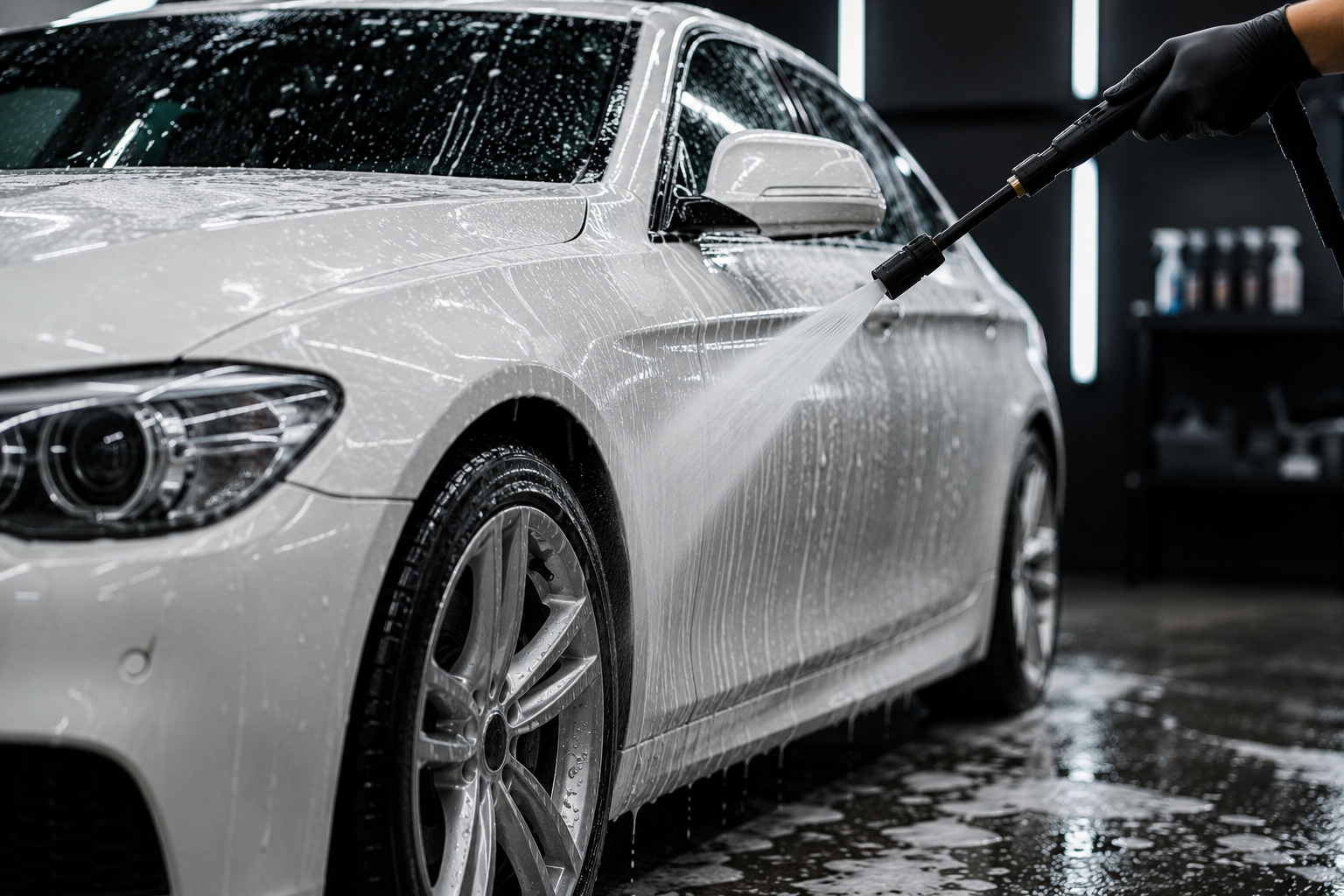
Regular washing helps remove dirt, dust, pollution, and other contaminants before they remain on the film for extended periods.
Use a gentle washing method and products that are suitable for PPF.
Remove Contaminants Quickly
Bird droppings, tree sap, insects, and other contaminants should be removed as soon as reasonably possible.
Avoid aggressive scrubbing, especially when trying to remove dried contamination.
Follow PPF Maintenance Guidelines
Different PPF products can have different maintenance requirements.
Follow the manufacturer’s recommended cleaning methods and avoid products that are not suitable for protective films.
Choose Professional Installation
Even premium PPF needs proper installation.
A professional installer can help ensure that the vehicle is correctly prepared and that the film is applied with proper alignment, clean edges, and minimal contamination.
Can Yellowed PPF Be Fixed?
It depends on the reason for the yellowing.
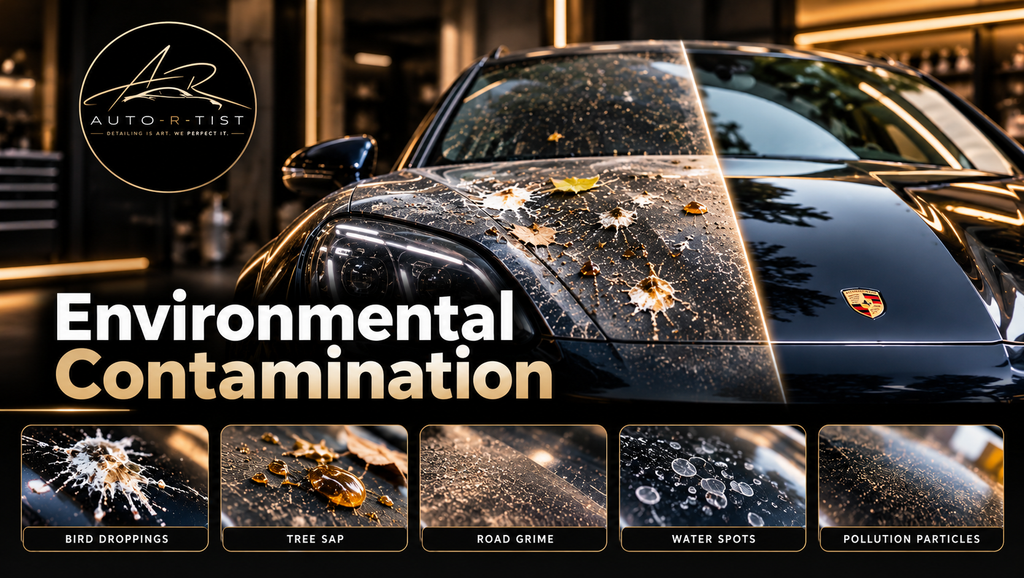
If the problem is caused by surface contamination or deposits, professional cleaning may improve the appearance.
However, if the film itself has degraded or permanently changed colour, cleaning may not restore its original clarity.
In such cases, PPF replacement may be the most practical solution.
A professional inspection can help determine whether the issue is surface contamination or actual film degradation.
Does Premium PPF Prevent Yellowing Completely?
No PPF should be considered completely immune to ageing.
However, premium PPF is generally engineered to provide better optical clarity, durability, and resistance to environmental factors.
The long-term result depends on several factors:
Film quality + installation quality + maintenance + environmental exposure
Choosing the right combination can help your PPF maintain its appearance for longer.
How Long Does PPF Last?
The lifespan of PPF varies depending on the product, manufacturer, installation quality, maintenance, climate, and vehicle usage.
Many premium PPF products come with multi-year warranties, but warranty periods vary between manufacturers and product ranges.
When comparing PPF products, look beyond the warranty period. Also consider:
- Film quality
- UV resistance
- Optical clarity
- Warranty coverage
- Installer experience
- Maintenance requirements
When Should You Replace Yellowed PPF?
If your PPF has developed significant yellowing, cracking, peeling, bubbling, or loss of clarity, it may be time to consider replacement.
Before replacing the film, have it inspected by a professional.
This helps determine whether the problem can be corrected through cleaning or whether the film has reached the end of its useful life.
Why Professional PPF Installation Matters
The quality of installation can have a major impact on the appearance and performance of PPF.
Professional installation involves proper paint preparation, careful film handling, precise application, and attention to edges and difficult areas.
At Auto-R-Tist, we focus on precision, clean application, and professional finishing to help your vehicle maintain a protected and refined appearance.
Final Thoughts
So, why does PPF turn yellow?
The most common causes include UV exposure, low-quality film, heat, unsuitable cleaning products, environmental contamination, poor installation, and natural ageing.
The best way to reduce the risk of premature yellowing is to choose quality PPF, have it professionally installed, and maintain it according to the manufacturer’s recommendations.
If you are considering car PPF in hyderabad, choosing the right film and installation professional can make a significant difference in the long-term appearance of your vehicle.
Looking for professional PPF installation? Contact Auto-R-Tist to discuss the right paint protection solution for your car.