Introduction
Your car’s paint is constantly exposed to road debris, stone chips, scratches, insects, dust, and other environmental contaminants. Even careful driving can eventually leave visible marks on the vehicle’s exterior. Paint Protection Film (PPF) is a transparent protective layer designed to help protect your vehicle’s original paint from everyday road damage while maintaining its appearance.
1. What Is Paint Protection Film (PPF)?
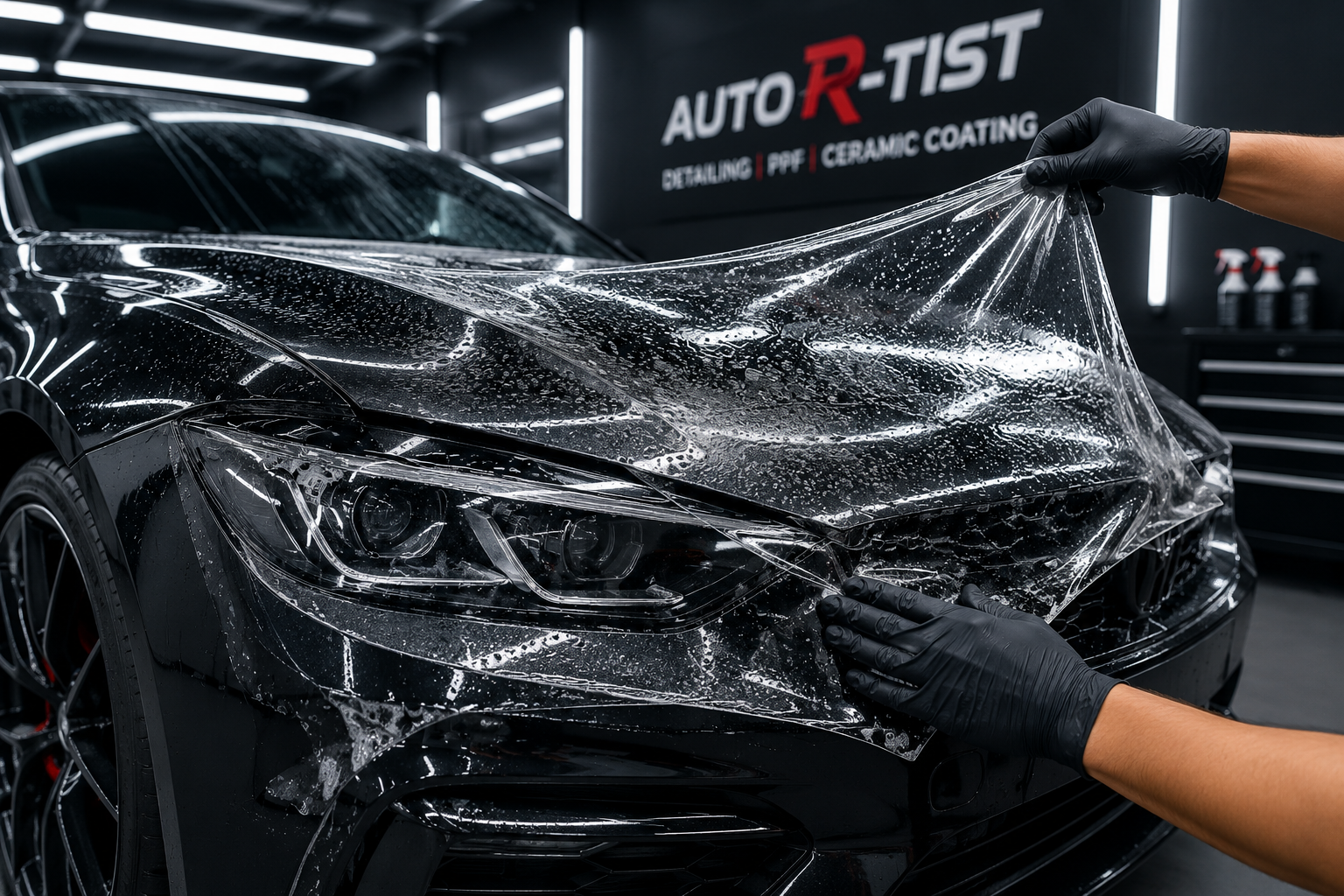
Paint Protection Film, commonly known as PPF, is a thin, transparent polyurethane film applied over painted vehicle surfaces.
The film acts as a protective barrier between the paint and external hazards such as:
- Stone chips
- Road debris
- Minor scratches
- Insect marks
- Road grime
- Environmental contaminants
- Light scuffs
Because PPF is transparent, the original color and finish of your vehicle remain visible underneath the film.
2. How Does PPF Work?
PPF creates a physical layer between your vehicle’s paint and the outside environment.
When road debris or small particles hit the protected surface, the film absorbs much of the impact instead of allowing the force to directly reach the paint underneath.
This helps reduce the risk of permanent paint damage and keeps the original paint looking newer for longer.
3. What Parts of a Car Can Be Protected?
PPF can be applied to almost any painted area where additional protection is required.
Commonly protected areas include:
- Front bumper
- Hood
- Front fenders
- Side mirrors
- Door edges
- Rocker panels
- Rear wheel arches
- Trunk areas
For vehicles frequently driven on highways, protecting the front end can be particularly useful because these areas receive greater exposure to stones and road debris.
4. Benefits of Paint Protection Film
Protection Against Stone Chips
One of the biggest advantages of PPF is its ability to protect vulnerable paintwork from small stones and road debris.
Helps Prevent Minor Scratches
The film can absorb minor contact and surface abrasions that could otherwise mark the vehicle’s paint.
Preserves Original Paint
By protecting the factory paint, PPF can help maintain the vehicle’s original appearance and condition.
Maintains Vehicle Appearance
A quality clear film allows the paint underneath to remain visible while adding an additional layer of protection.
Easier Maintenance
Some modern PPF products have hydrophobic properties that can make water and dirt easier to remove from the protected surface.
5. Does PPF Heal Itself?
Some modern Paint Protection Films feature self-healing technology.
With these films, minor surface scratches and swirl marks can disappear or become significantly less visible when exposed to heat, such as sunlight or warm water.
However, self-healing technology is primarily intended for minor surface marks and cannot repair deep cuts or damage that has penetrated through the film.
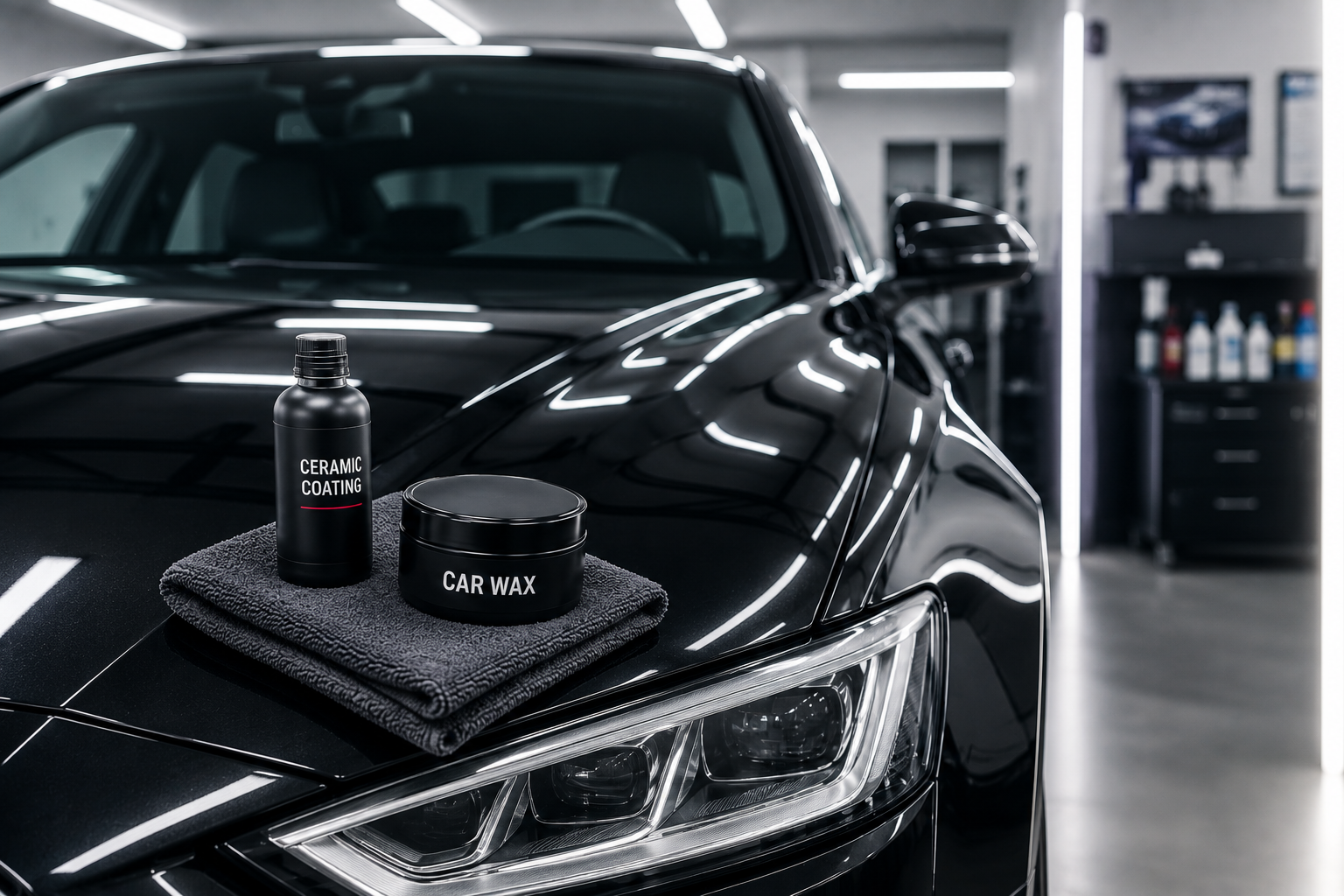
6. PPF vs Ceramic Coating
PPF and ceramic coating protect your vehicle in different ways.
| Feature | PPF | Ceramic Coating |
|---|---|---|
| Stone Chip Protection | Excellent | Limited |
| Scratch Protection | Excellent against minor damage | Limited |
| UV Protection | Yes | Yes |
| Hydrophobic Properties | Available with some films | Excellent |
| Gloss Enhancement | Yes | Excellent |
| Physical Barrier | Yes | No |
| Long-Term Protection | Excellent | Excellent |
PPF provides physical protection, while ceramic coating primarily provides a protective surface layer with strong hydrophobic and chemical-resistance properties.
7. Can PPF Be Applied With Ceramic Coating?
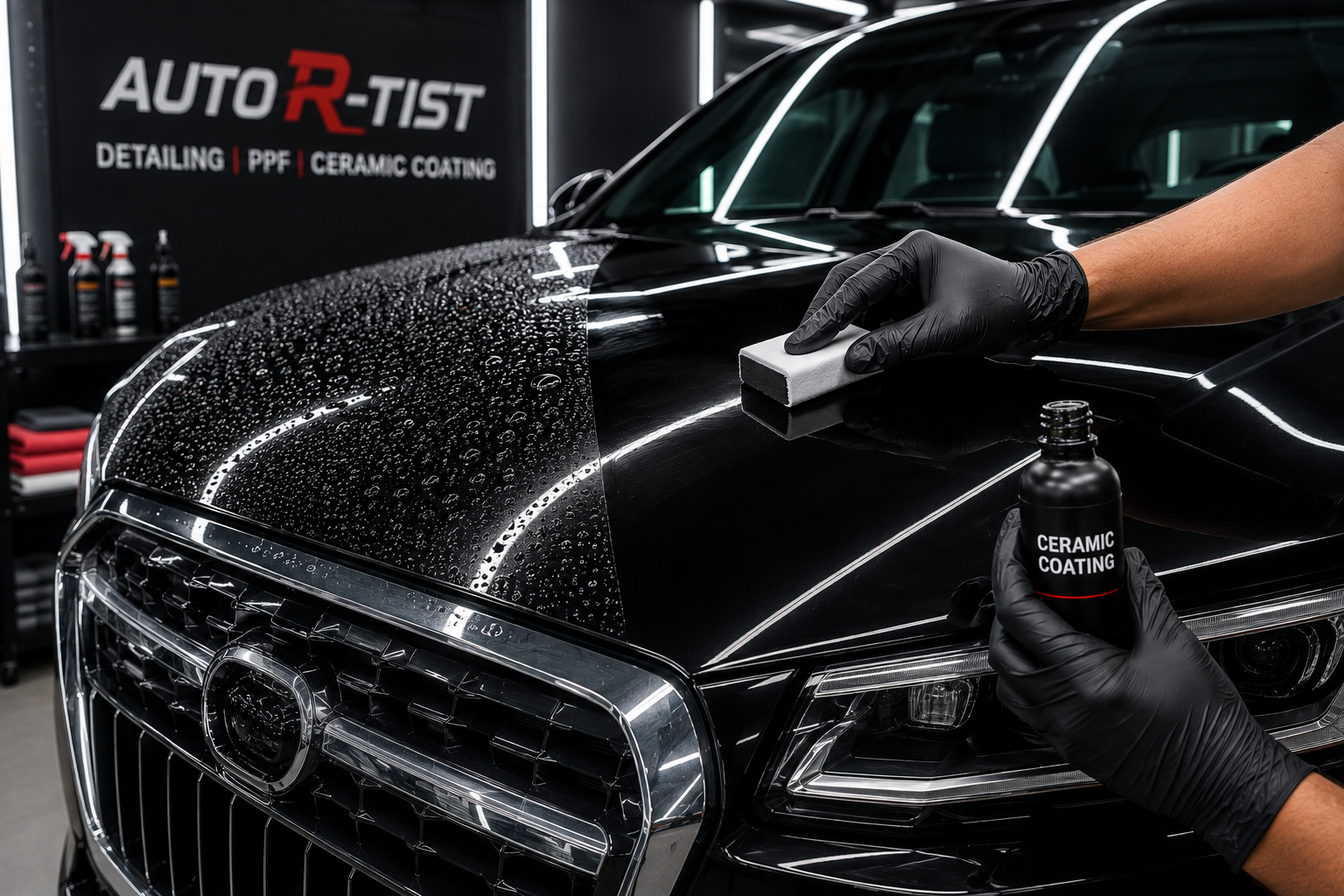
Yes. Many vehicle owners choose to combine both protection methods.
PPF can be applied to high-impact areas such as the front bumper and hood, while ceramic coating can be applied over the remaining painted surfaces.
A compatible ceramic coating can also be applied over certain PPF products, helping improve water repellency, gloss, and ease of maintenance.
8. How Long Does PPF Last?
The lifespan of PPF depends on the quality of the film, installation, environmental exposure, and maintenance.
A professionally installed, high-quality PPF can provide protection for several years when properly maintained.
Regular washing with appropriate products and avoiding harsh cleaning methods can help extend its appearance and performance.
9. Is PPF Worth It?
PPF can be a valuable investment if you want to protect your vehicle’s original paint from road damage.
It is particularly useful for:
- New or luxury vehicles
- High-performance cars
- Vehicles driven frequently on highways
- Cars with expensive or difficult-to-match factory paint
- Owners who want to preserve the vehicle’s appearance
While the initial investment is higher than basic detailing or waxing, PPF provides a physical protective barrier that traditional paint-care products cannot offer.
Conclusion
Paint Protection Film is one of the most effective ways to protect your vehicle’s paint from everyday road hazards. By creating a transparent physical barrier, PPF helps reduce damage from stone chips, minor scratches, road debris, and environmental contaminants.