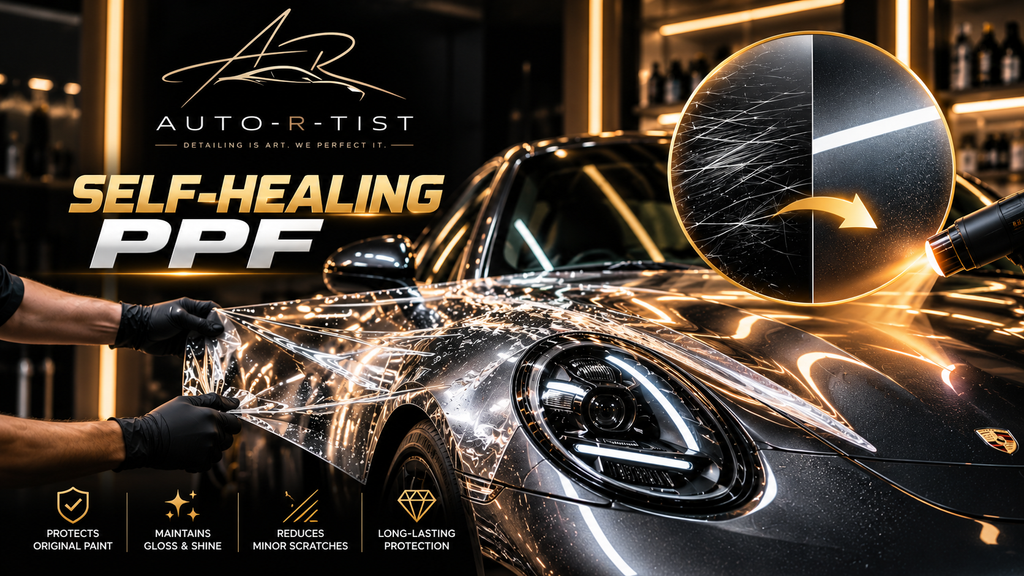
Your car’s paint faces daily exposure to dust, road debris, minor scratches, swirl marks, and other contaminants. Self-Healing PPF (Paint Protection Film) adds a protective layer over the original paint while helping reduce the appearance of certain minor surface marks.
But how does self-healing PPF work? How is it different from regular PPF? And is it a good choice for your car? Let’s understand the technology, benefits, and limitations.
What Is Self-Healing PPF?
Self-Healing PPF is a transparent film applied over a vehicle’s painted surfaces. It helps protect the original paint from everyday road conditions and minor surface damage.
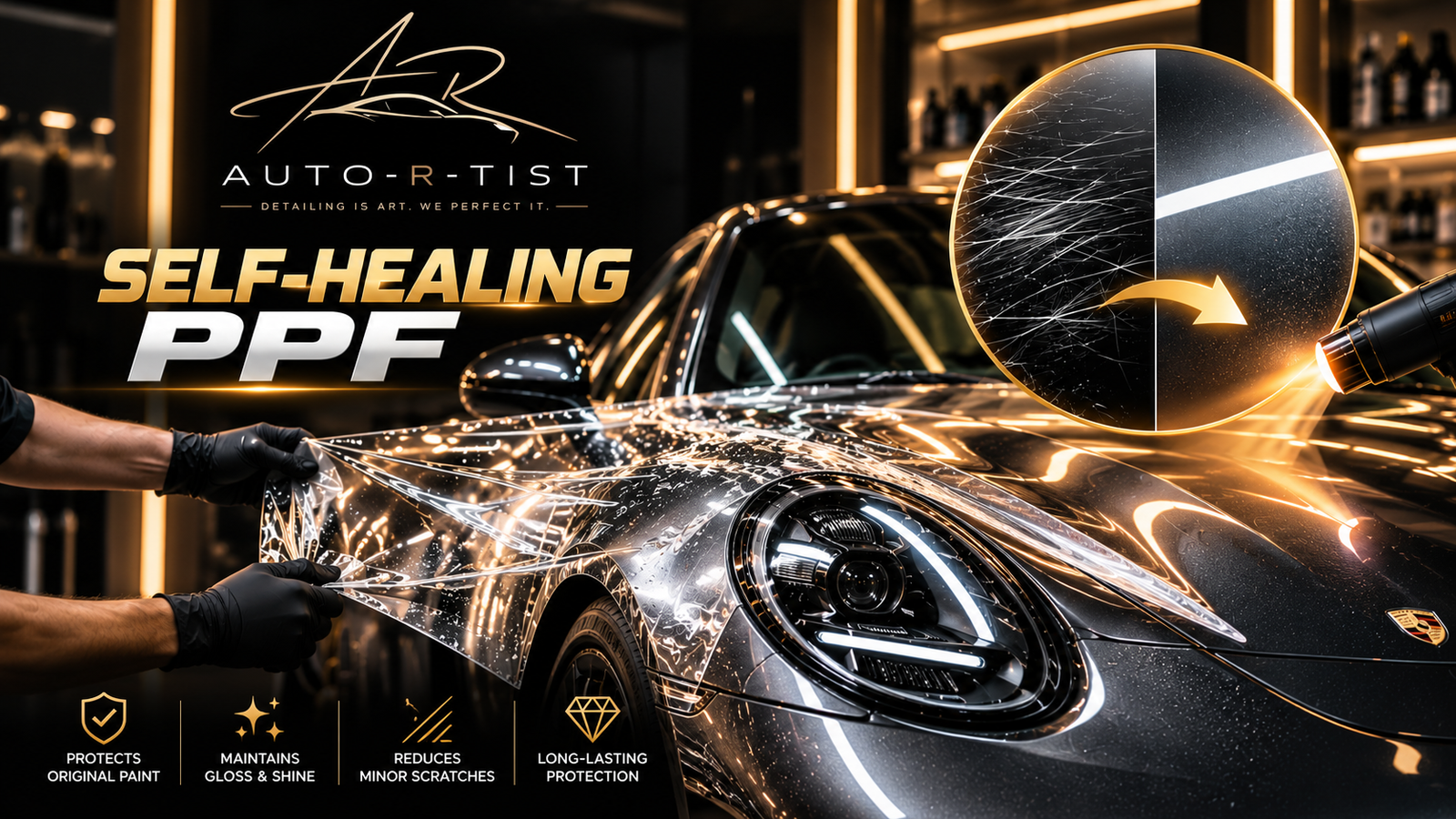
The film usually contains several layers, including a top coat, polyurethane film layer, and adhesive layer. The top coat is designed to help reduce the appearance of certain light scratches and swirl marks when exposed to suitable heat.
Self-healing does not mean the film can repair every type of damage. Deep scratches, cuts, and tears may still remain visible.
How Does Self-Healing PPF Work?
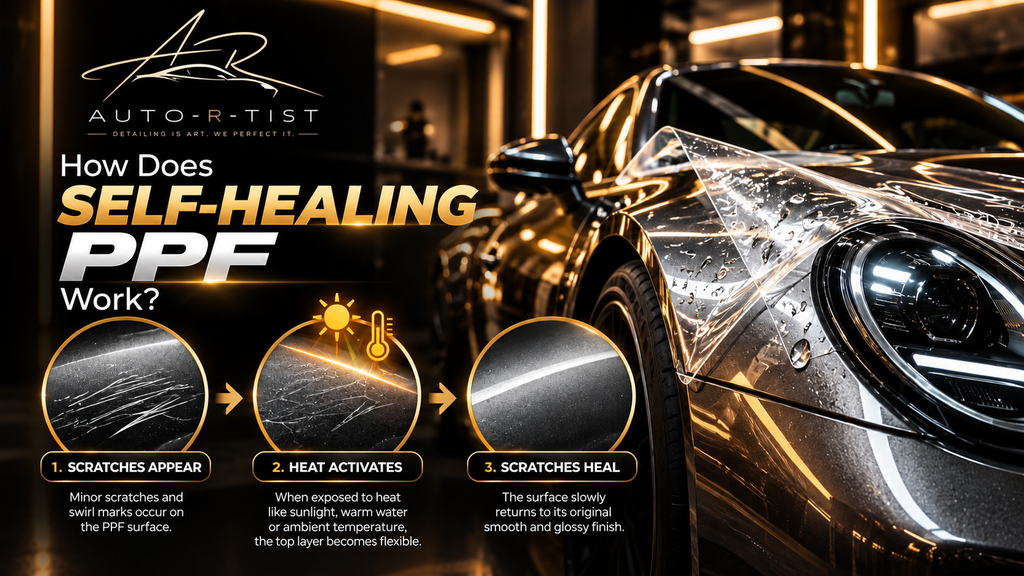
The main difference between standard PPF and self-healing PPF is the technology used in the top coat.
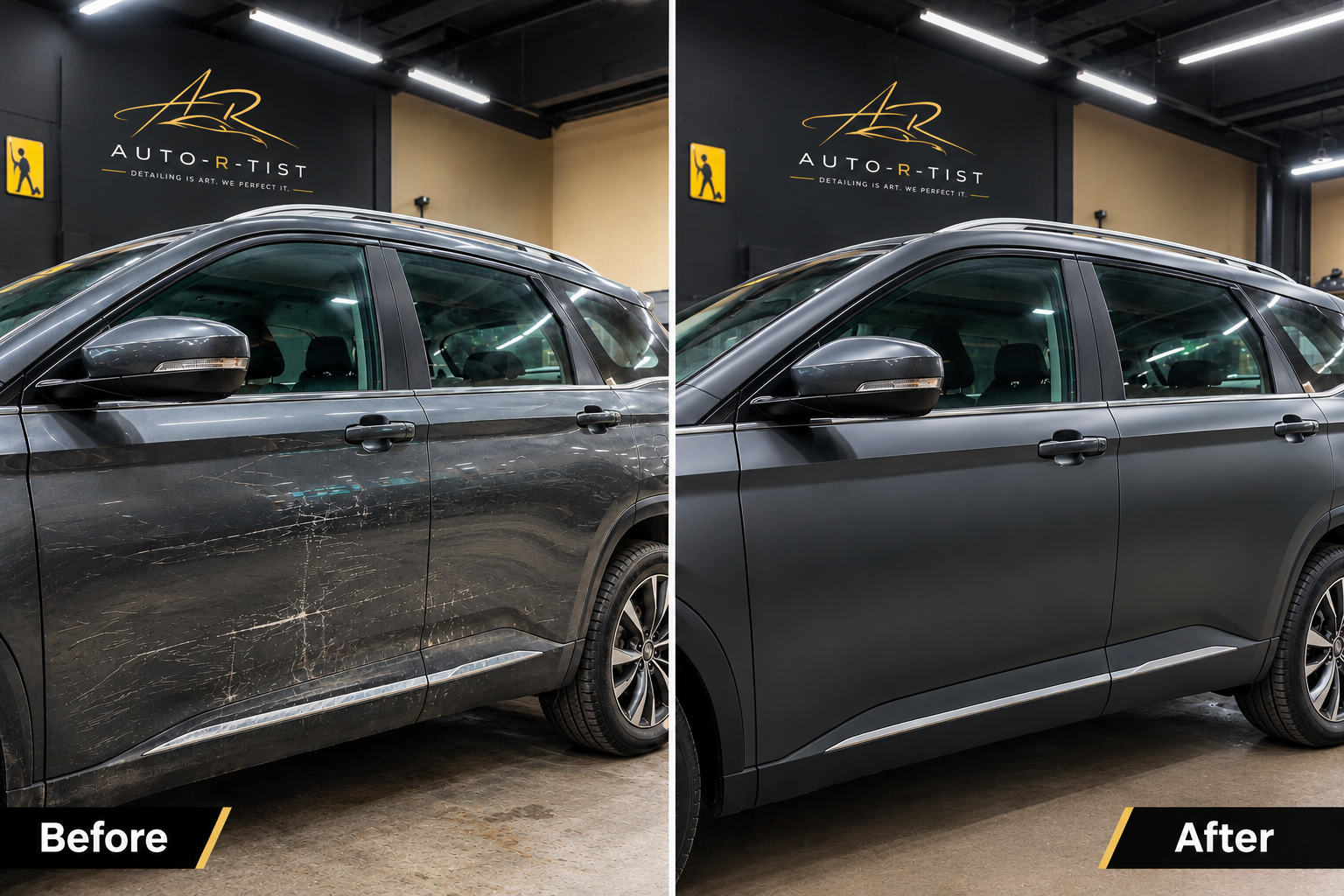
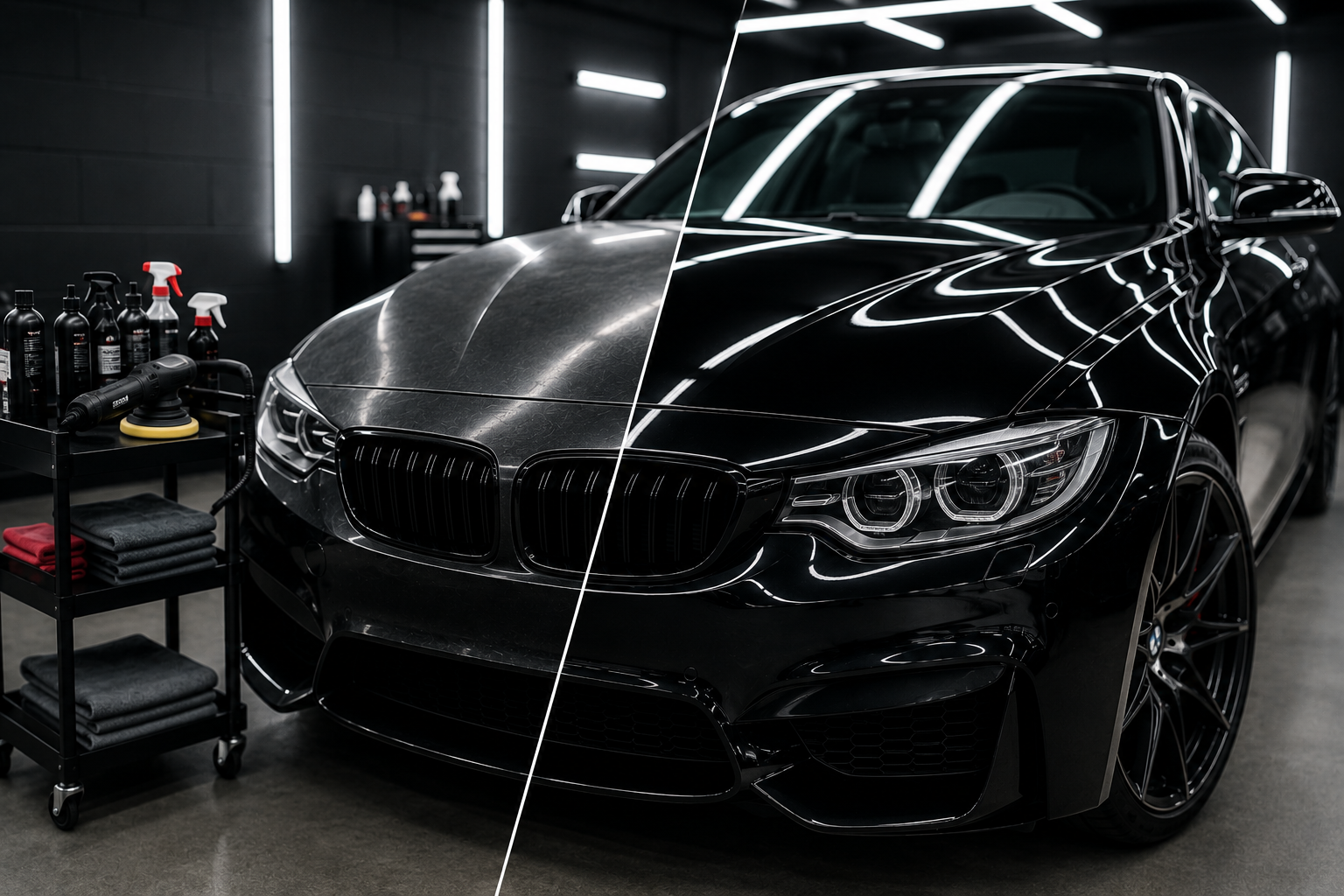
When light scratches appear on the surface, the top coat can react to heat. This allows the surface to gradually recover and makes some minor marks less noticeable.
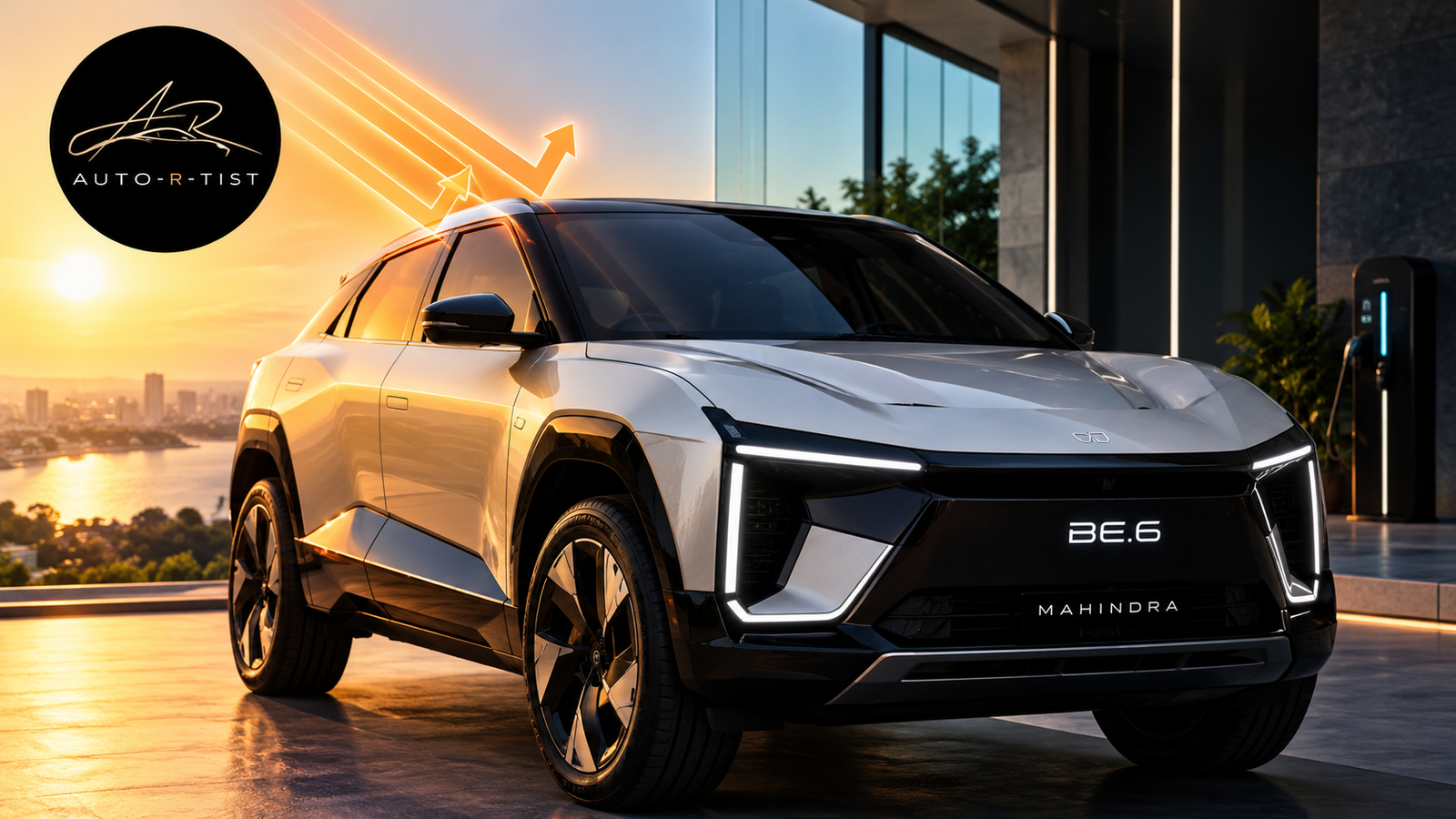
Heat may come naturally from sunlight, depending on the film and its manufacturer’s specifications.
The technology is mainly designed for light surface marks. It should not be considered a solution for deep scratches or major damage.
What Does Self-Healing PPF Protect Against?
PPF creates a physical barrier between your car’s paint and everyday road exposure.
It can help protect the paint from:
- Minor scratches and surface marks
- Light swirl marks
- Stone chips
- Road debris
- Dust and sand
- Insect contamination
- Road grime
- Everyday environmental exposure
The level of protection depends on the film quality, construction, thickness, installation, and type of damage.
Benefits of Self-Healing PPF
Helps Reduce Minor Scratches
The self-healing top coat can help reduce the appearance of certain light scratches and swirl marks. This helps the film maintain a smoother appearance.
Protects the Original Paint
PPF acts as a physical barrier over the factory paint. It helps reduce direct contact with road debris and other everyday contaminants.
Maintains the Vehicle’s Appearance
Because the film is transparent, your car’s original colour and finish remain visible underneath the protection.
Can Make Cleaning Easier
Some PPF products have hydrophobic and stain-resistant properties. These features can help water and contaminants move more easily from the surface.
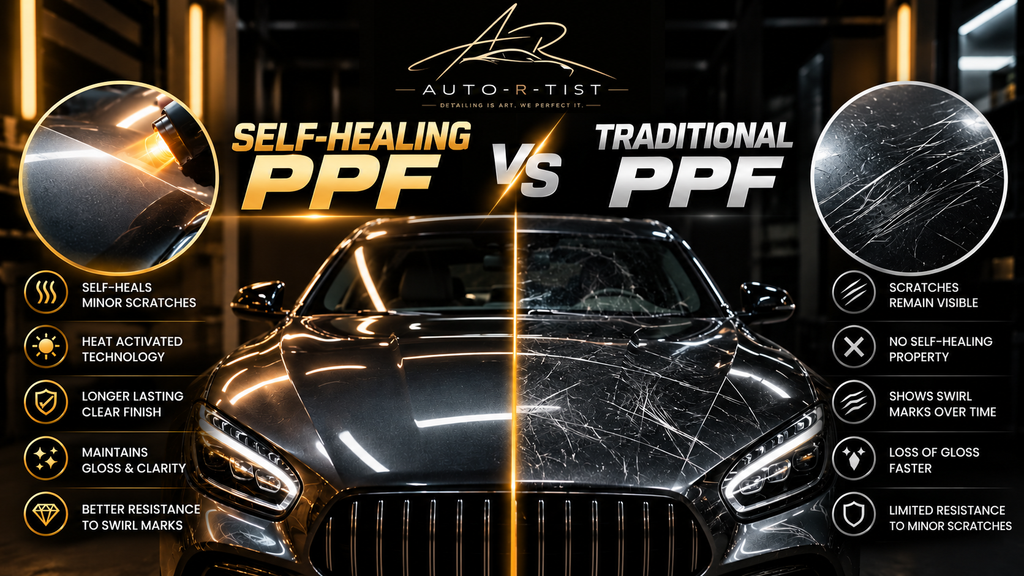
Self-Healing PPF vs Regular PPF
Both films can provide physical protection, but self-healing PPF includes additional technology in its top coat.
| Feature | Regular PPF | Self-Healing PPF |
|---|---|---|
| Paint protection | Yes | Yes |
| Transparent film | Yes | Yes |
| Self-healing technology | Product dependent | Yes |
| Minor scratch recovery | Product dependent | Designed for minor marks |
| Hydrophobic properties | Product dependent | Product dependent |
| Professional installation | Important | Important |
The features can vary between manufacturers. Always check the specifications of the specific PPF product before choosing one.
Does Thicker PPF Mean Better Self-Healing?
Not necessarily.
PPF thickness and self-healing technology are two different things. A higher micron count does not automatically mean that the film has better self-healing performance.
When comparing PPF, look at more than thickness. Consider:
- Material quality
- Top-coat technology
- Self-healing performance
- Optical clarity
- Hydrophobic properties
- Adhesive quality
- Flexibility
- Warranty
- Installation quality
This gives you a more complete understanding of the PPF’s overall performance.
What Are the Limitations of Self-Healing PPF?
Self-healing PPF is mainly designed for minor surface marks. It cannot repair deep scratches, cuts, tears, or damage that has gone through the film.
The results can also vary depending on the film’s construction, the type of damage, and the conditions needed for the self-healing process.
So, self-healing technology should be viewed as an added benefit of the PPF, rather than a way to repair serious paint or film damage.
Is Self-Healing PPF Right for Your Car?
Self-healing PPF can be a good choice if you want to protect your car while keeping its original appearance.
It can be especially useful if you:
- Drive your car regularly
- Travel frequently on highways
- Want protection from road debris
- Want to reduce minor surface marks
- Want to maintain the original paint
- Plan to keep your vehicle for several years
The right PPF depends on your vehicle, driving conditions, paint condition, budget, and protection needs.
Why Professional PPF Installation Matters
Choosing a good PPF is only one part of the process. Professional installation is equally important.
Before installation, the vehicle should be cleaned, decontaminated, and inspected. Existing scratches or swirl marks may need paint correction before the film is applied.
During installation, the installer needs to use accurate patterns and apply the film carefully. Proper alignment and edge finishing also help create a clean result.
Poor installation can lead to:
- Uneven coverage
- Visible edges
- Contamination under the film
- Excessive stretching
- Lifting
- Incorrect panel coverage
At Auto-R-Tist, we focus on the complete PPF process, including surface preparation, film selection, professional installation, and aftercare.
How to Maintain Self-Healing PPF
Proper maintenance helps keep your PPF looking good for longer.
Follow these basic care practices:
- Use suitable car wash products
- Avoid abrasive cleaning tools
- Do not use harsh chemicals unnecessarily
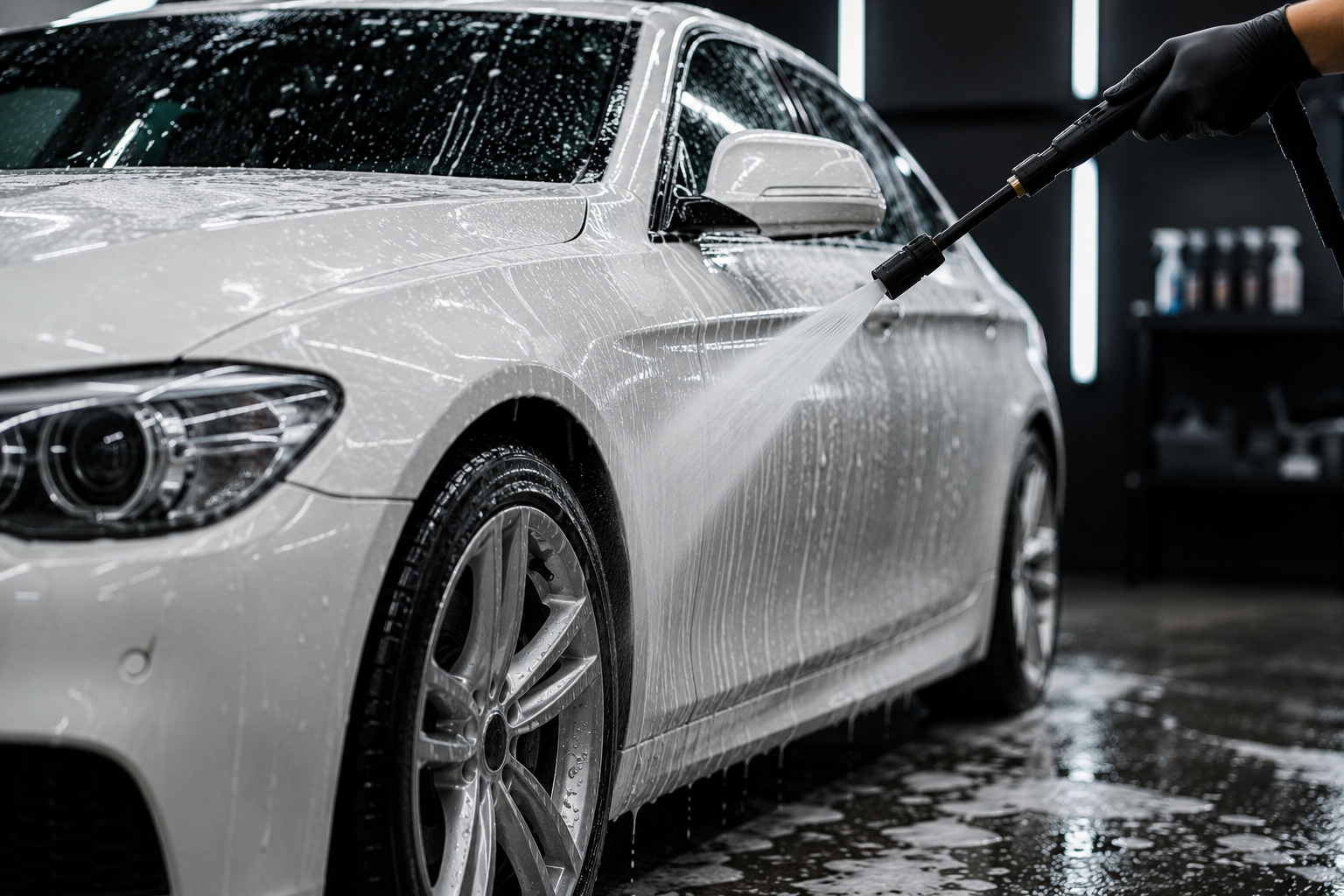
- Wash the vehicle using safe techniques
- Remove contaminants without aggressive scrubbing
- Follow the PPF manufacturer’s care instructions
If you are unsure about a cleaning product, check whether it is suitable for your specific PPF.
Final Thoughts
Self-Healing PPF combines physical paint protection with a specially designed top coat that can help reduce the appearance of certain minor scratches and surface marks.
However, the term “self-healing” should not be the only factor you consider. Material quality, top-coat technology, clarity, durability, warranty, thickness, and installation quality all matter.
At Auto-R-Tist, we help car owners understand these differences and choose a PPF solution that suits their vehicle, driving conditions, and protection requirements.