Choosing the right Paint Protection Film (PPF) can help protect your car’s original paint. However, many PPF products are available today. Each option can differ in quality, finish, warranty, and coverage.
So, how do you choose the right one?
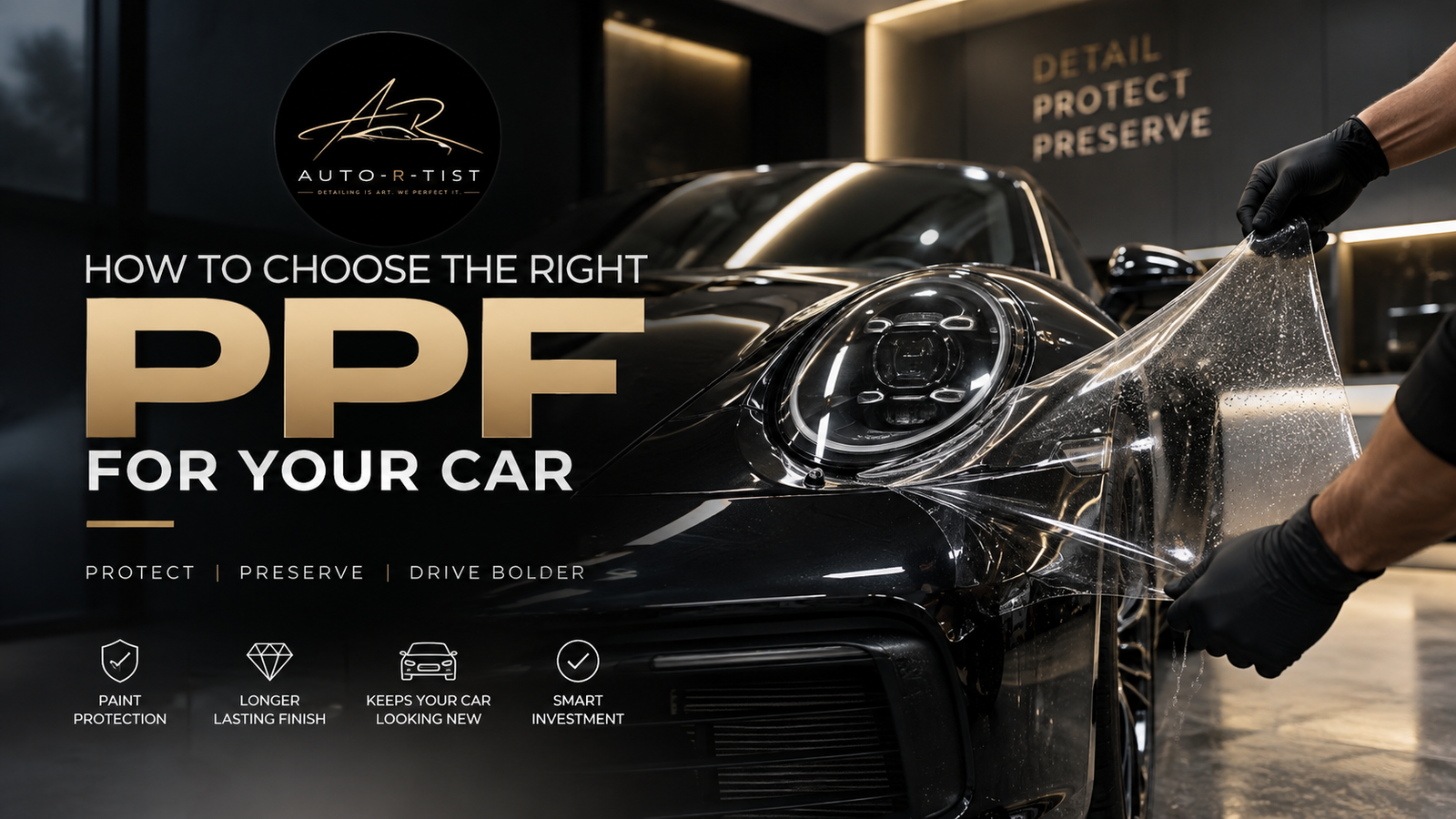
First, think about how you use your car. Next, consider the areas that need protection. Finally, compare the film quality, warranty, installation, and price.
This guide will help you understand the main points before choosing PPF for your car.
What Is Paint Protection Film?
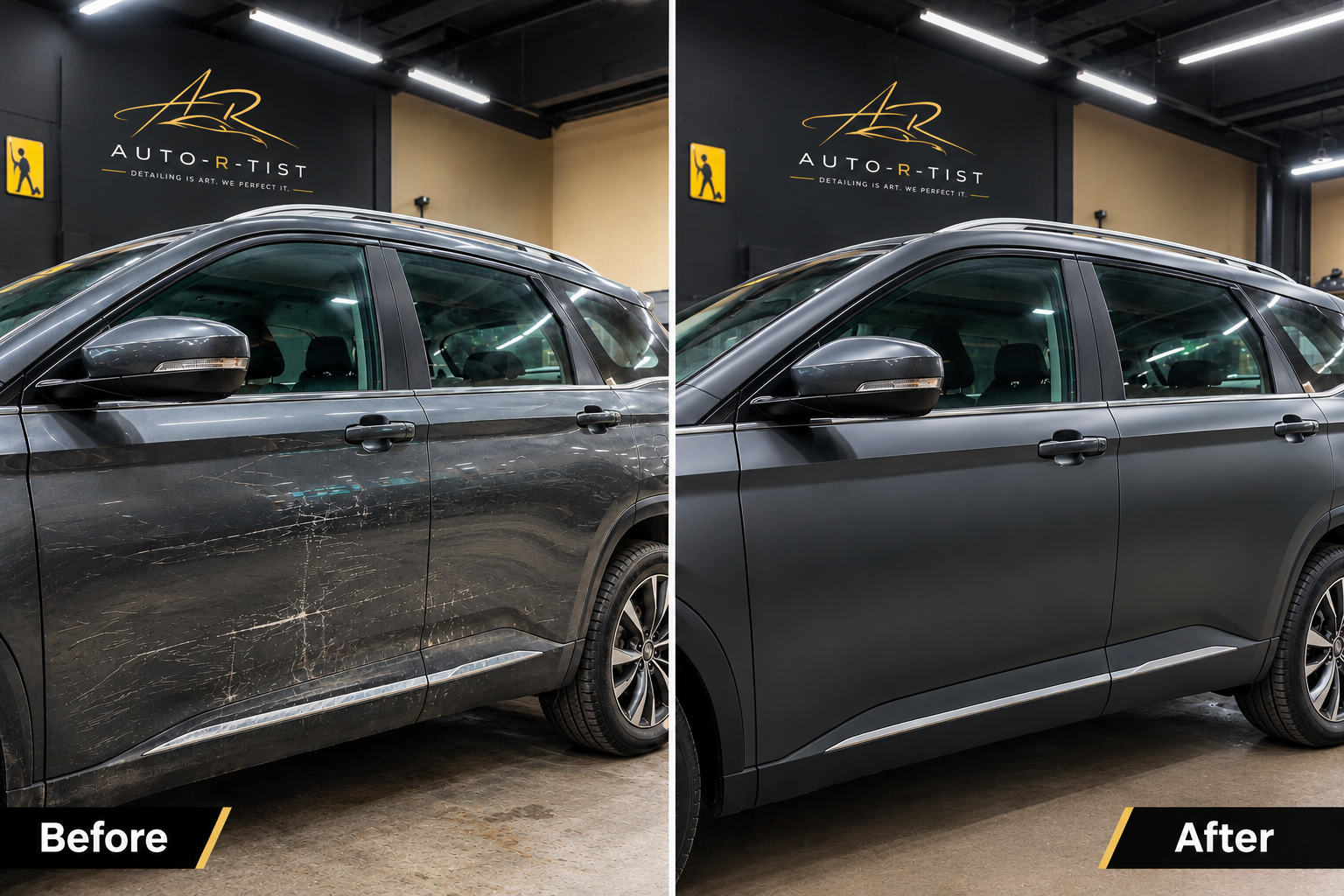
Paint Protection Film (PPF) is a clear film that goes over the painted surface of a car. It adds a physical layer between the paint and the outside environment.
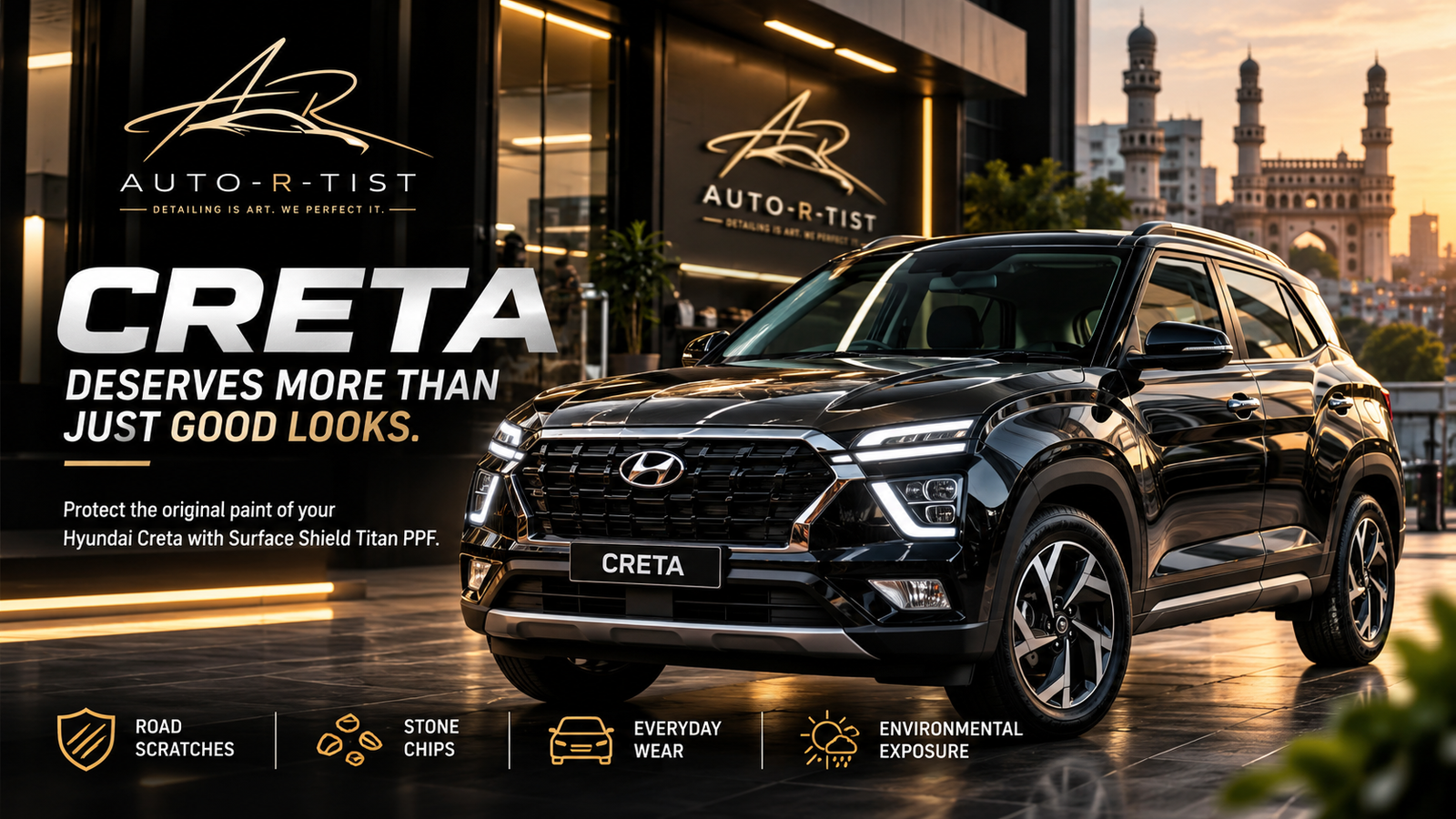
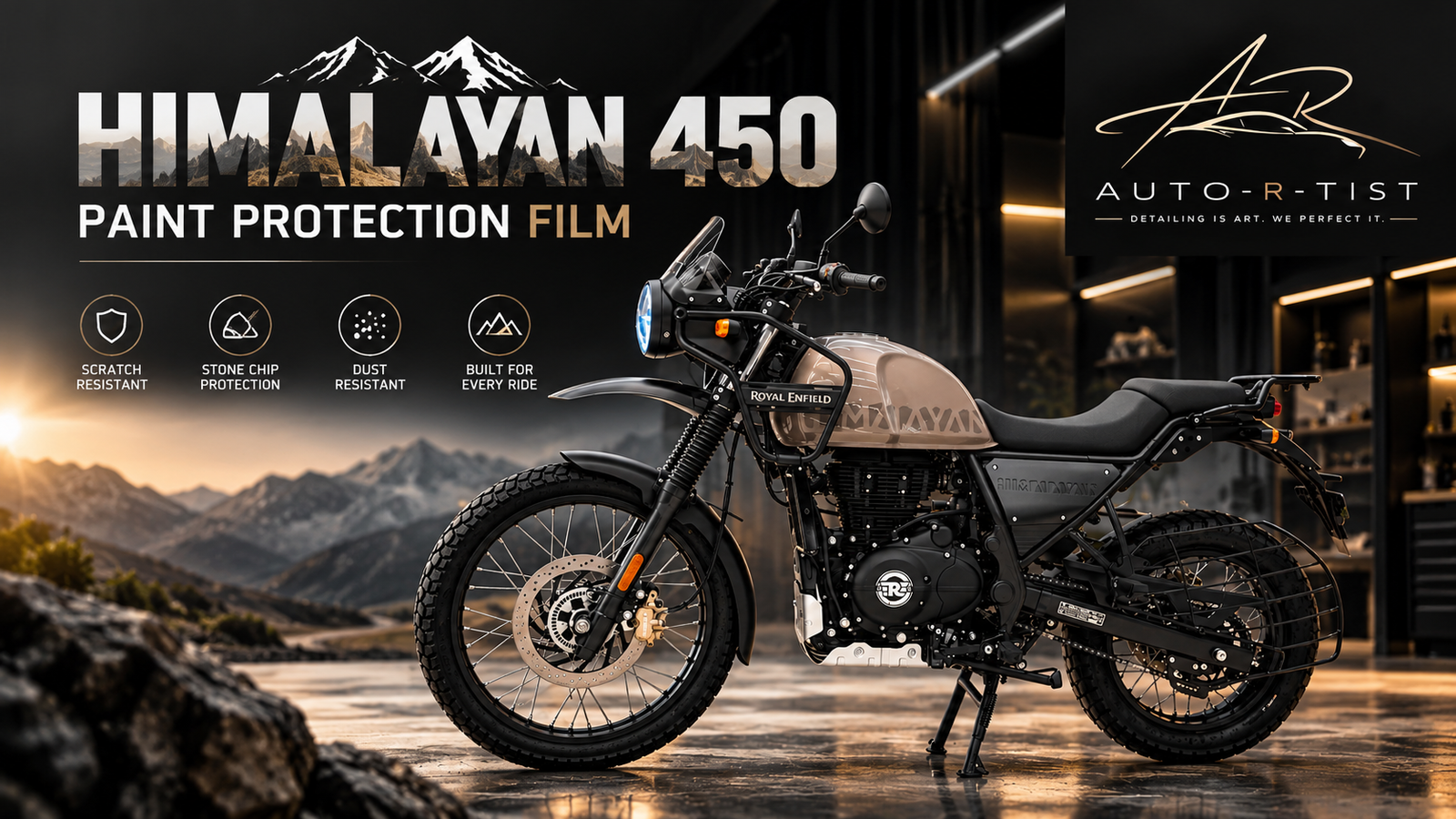
As a result, PPF can help reduce damage from stone chips, road debris, minor scratches, and everyday marks. It can also help keep the original paint looking clean.
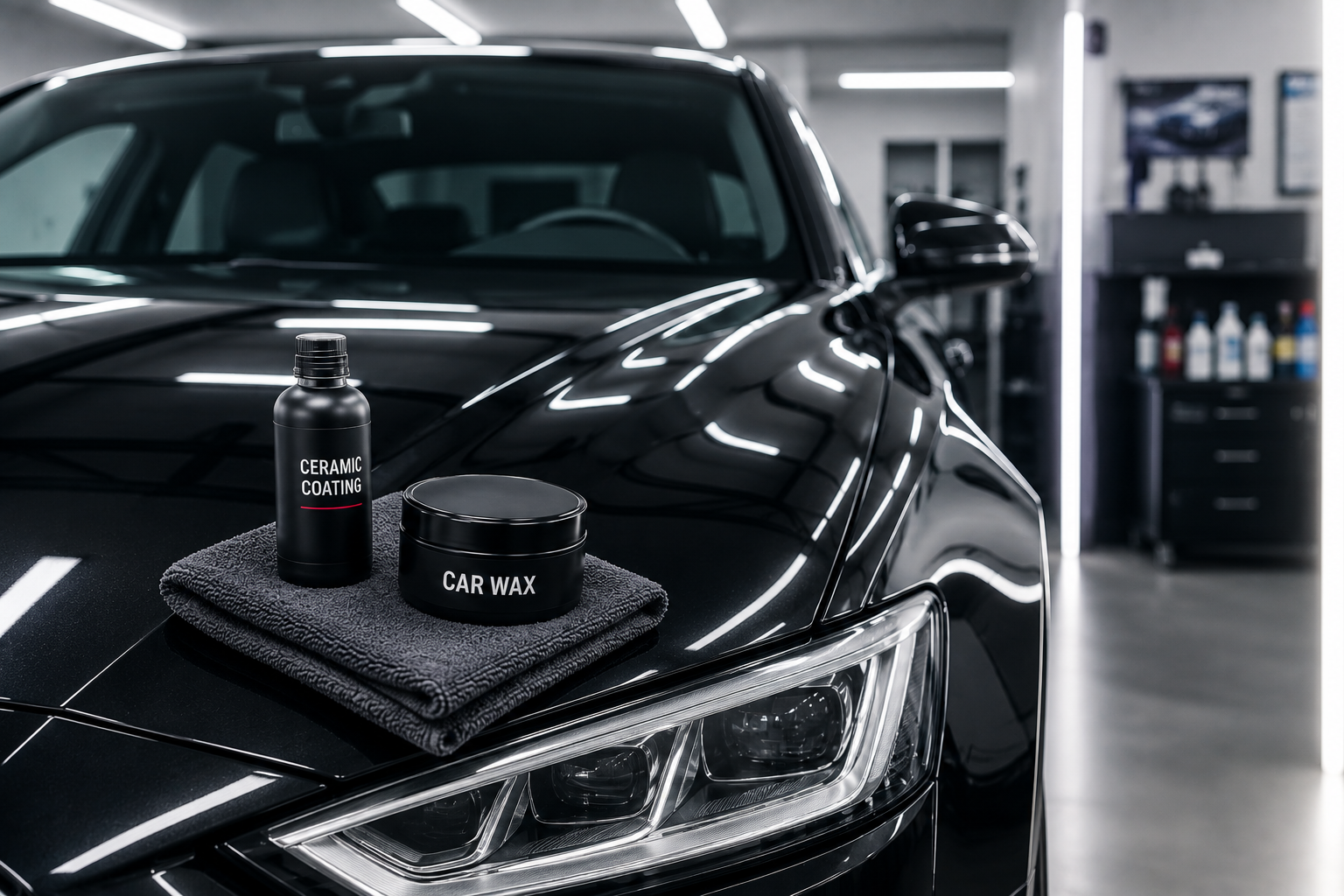
PPF works differently from ceramic coating. While PPF adds a physical film, ceramic coating adds a protective layer to the surface.
What Are the Three Types of PPF?
When people talk about the three types of PPF, they usually mean the material the film is made from:
- TPU (thermoplastic polyurethane): the material used for premium paint protection film. It is flexible, stays clear, resists yellowing, and most TPU films have a self-healing top coat that lets light swirl marks disappear with heat.
- TPH (thermoplastic hybrid): a cheaper blend that is partly flexible. It usually has no self-healing layer and may yellow or wear sooner than TPU.
- PVC (vinyl): the lowest-cost film. It is stiffer, harder to fit around curves, and more likely to yellow, crack or shrink over time.
For long-term protection on a car you plan to keep, choose a TPU film, and ask your installer which material and warranty the film comes with.
Why Is PPF Quality Important?
Not every PPF product offers the same features. For example, films can differ in clarity, thickness, finish, and durability.
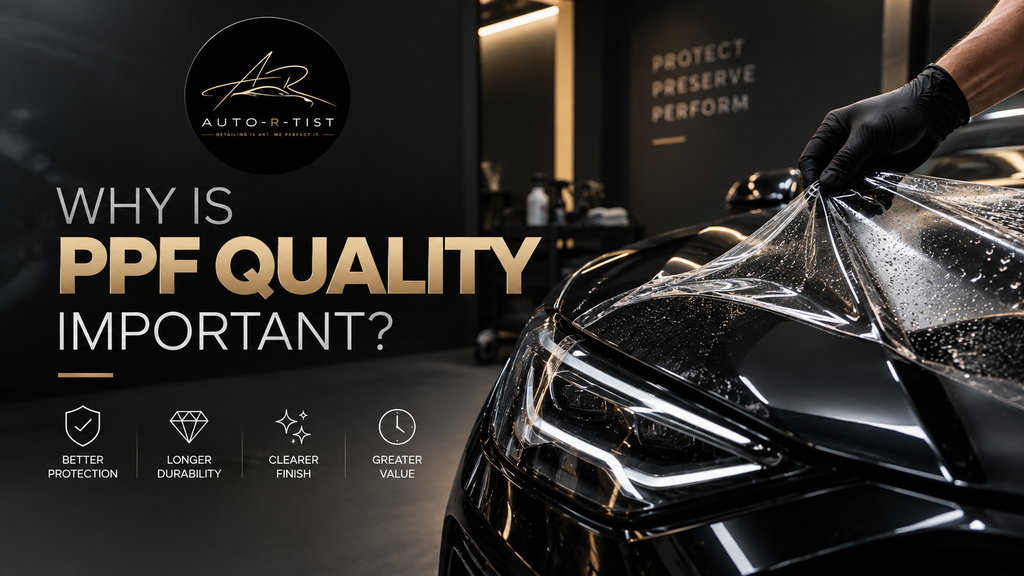
Therefore, price should not be the only factor you consider.
Before choosing a film, check these points:
- Film quality
- Clarity
- Finish
- Durability
- Warranty
- Coverage
- Installation quality
- Price
These details make it easier to compare different PPF options.
How to Choose the Right PPF for Your Car
Start With Your Driving Habits
Your daily driving routine should be the first thing to consider.
Do you drive on highways often? Or do you mainly use your car in the city?
Highway driving can expose the front of your car to more road debris. On the other hand, city driving may create different protection needs.
For this reason, choose your PPF based on how you use your vehicle.
Check the Film Quality
Next, look at the PPF itself.
Ask about the film material, thickness, clarity, and durability. Also, check the warranty offered by the manufacturer.
A professional installer should explain these details before installation. This way, you can compare products with more confidence.
Choose the Right Finish
The finish also affects the look of your car.
Gloss PPF keeps the paint looking clear and shiny. It is a good option if you want to maintain a glossy appearance.
In contrast, Matte PPF gives the vehicle a smooth, muted look. It can create a different style while providing paint protection.
Therefore, choose the finish that matches your preferred appearance.
Check the Warranty
The warranty is another important point.
Before installation, check the warranty period. Also, find out what the warranty covers.
Some products may have specific care conditions. Therefore, ask the installer to explain the warranty clearly.
This simple step can help you avoid confusion later.
Which Areas of Your Car Need PPF?
You do not always need to cover the entire vehicle.
Instead, many car owners protect areas that receive more road exposure. These areas often include:
- Front bumper
- Bonnet
- Front fenders
- ORVMs
- Headlights
- Door edges
- Door cups
- Side skirts
However, the right coverage depends on your driving conditions.
For instance, frequent highway driving may increase exposure to road debris. Meanwhile, city drivers may prefer protection on selected areas.
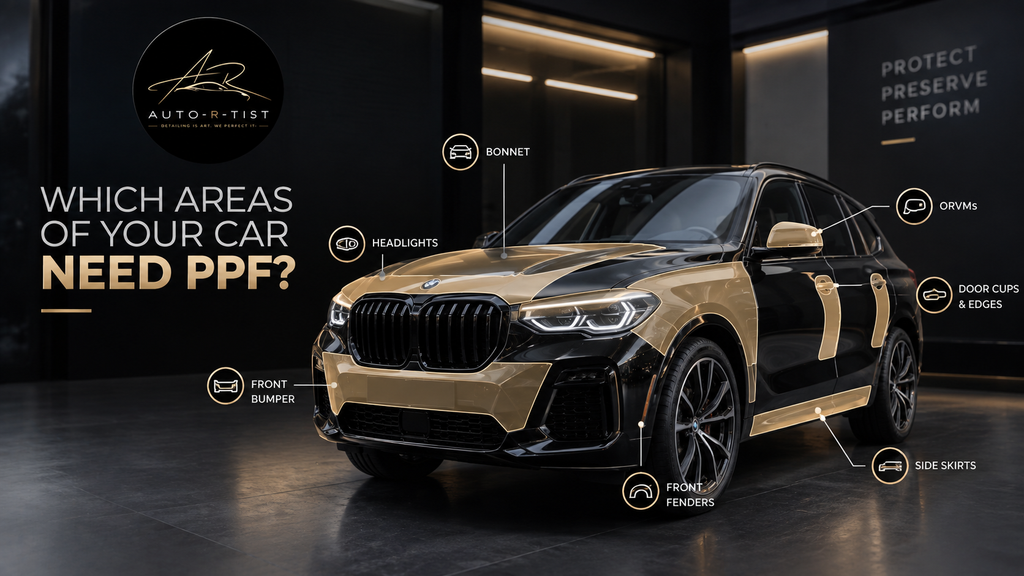
Choose the coverage that fits your daily use.
Full-Body PPF vs Partial PPF
Partial PPF
Partial PPF covers selected areas of the vehicle.
This option works well when you want targeted protection. It also lets you focus your budget on areas that face more road exposure.
Full-Body PPF
Full-body PPF covers most suitable painted areas of the vehicle.
As a result, it provides wider paint protection. This option can suit owners who want to protect more of the original paint.
Both options can work well. The better choice depends on your driving habits, vehicle usage, and protection needs.
PPF vs Ceramic Coating
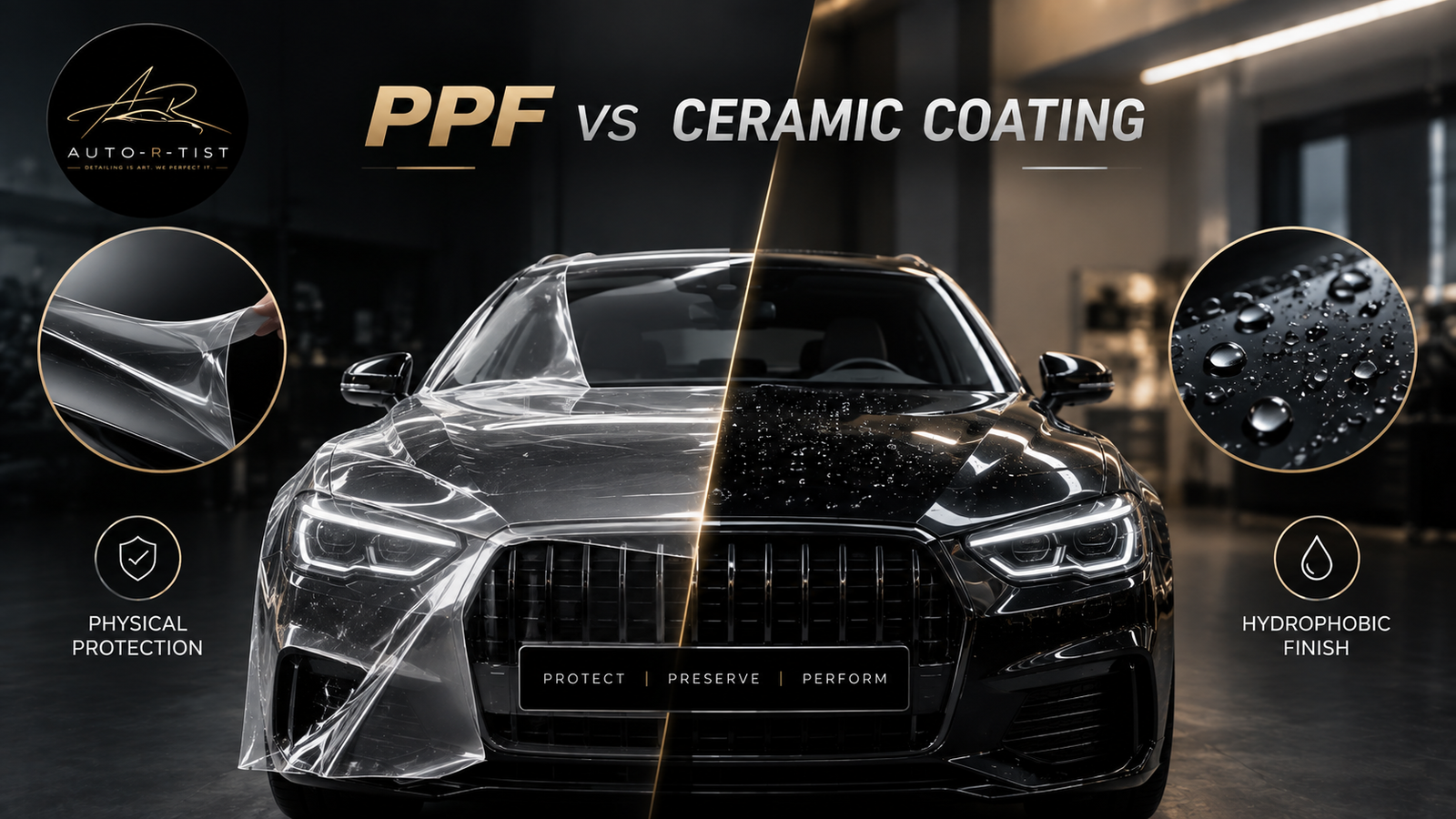
PPF and ceramic coating serve different purposes.
PPF adds a physical film over the paint. It can help protect against stone chips, road debris, and minor surface damage.
Ceramic coating, on the other hand, adds a protective layer to the surface. It can improve gloss, water behavior, and ease of cleaning.
Because they work differently, some car owners choose both.
For example, PPF can protect high-impact areas. Then, ceramic coating can be applied to suitable surfaces for easier maintenance.
Why Does PPF Installation Matter?
Choosing a good film is only one part of the process.
The installation quality also affects the final result. First, the installer needs to prepare the paint properly. Next, the film must be placed carefully around edges and curves.
Good installation can help the PPF look clean and consistent.
Before choosing an installer, check:
- Previous PPF work
- Workshop cleanliness
- Installation experience
- Film information
- Warranty details
- Aftercare support
In addition, ask to see previous work. This can give you a better idea of the installer’s quality.
Why Choose Auto-R-Tist for PPF?
At Auto-R-Tist, we focus on the needs of your vehicle.
Our team can explain different PPF options, finishes, and coverage levels. We can also help you understand which areas may need more protection.
Depending on your requirements, you can choose front-end PPF, partial PPF, or full-body PPF.
Most importantly, our approach focuses on quality film, careful installation, and a clean finish.
Common Mistakes to Avoid When Choosing PPF
Choosing Only by Price
A lower price does not always mean better value. So, compare the film quality and installation as well.
Ignoring Installation Quality
Even a good film can look poor after an incorrect installation. Therefore, check the installer’s previous work before making a decision.
Choosing the Wrong Finish
Your car’s finish should match the look you want. For this reason, compare gloss and matte PPF before choosing one.
Skipping the Warranty Check
Always review the warranty before installation. If anything is unclear, ask the installer for an explanation.
Choosing the Wrong Coverage
Full-body PPF is not necessary for every vehicle. Instead, choose coverage based on your driving habits and protection needs.
Final Thoughts
Choosing the right PPF for your car becomes easier when you know what to check.
Start with your driving habits and protection needs. Then, compare the film quality, finish, warranty, coverage, installation, and price.
Most importantly, choose a PPF package that suits your vehicle and daily use.
The right PPF can help protect your original paint and maintain the appearance of your car.
At Auto-R-Tist, we provide professional PPF, ceramic coating, paint correction, and car detailing services. Our team can help you choose a suitable protection solution for your vehicle.